
Arlington, TX & Greater DFW [email protected]
Commercial Pavement Maintenance Since 1979 (817) 467-7003
Frequently Asked Questions

Answers For Commercial Pavement Projects.

Learn more about sealcoating, crack sealing, parking lot striping, asphalt maintenance and what to expect before, during and after your project.

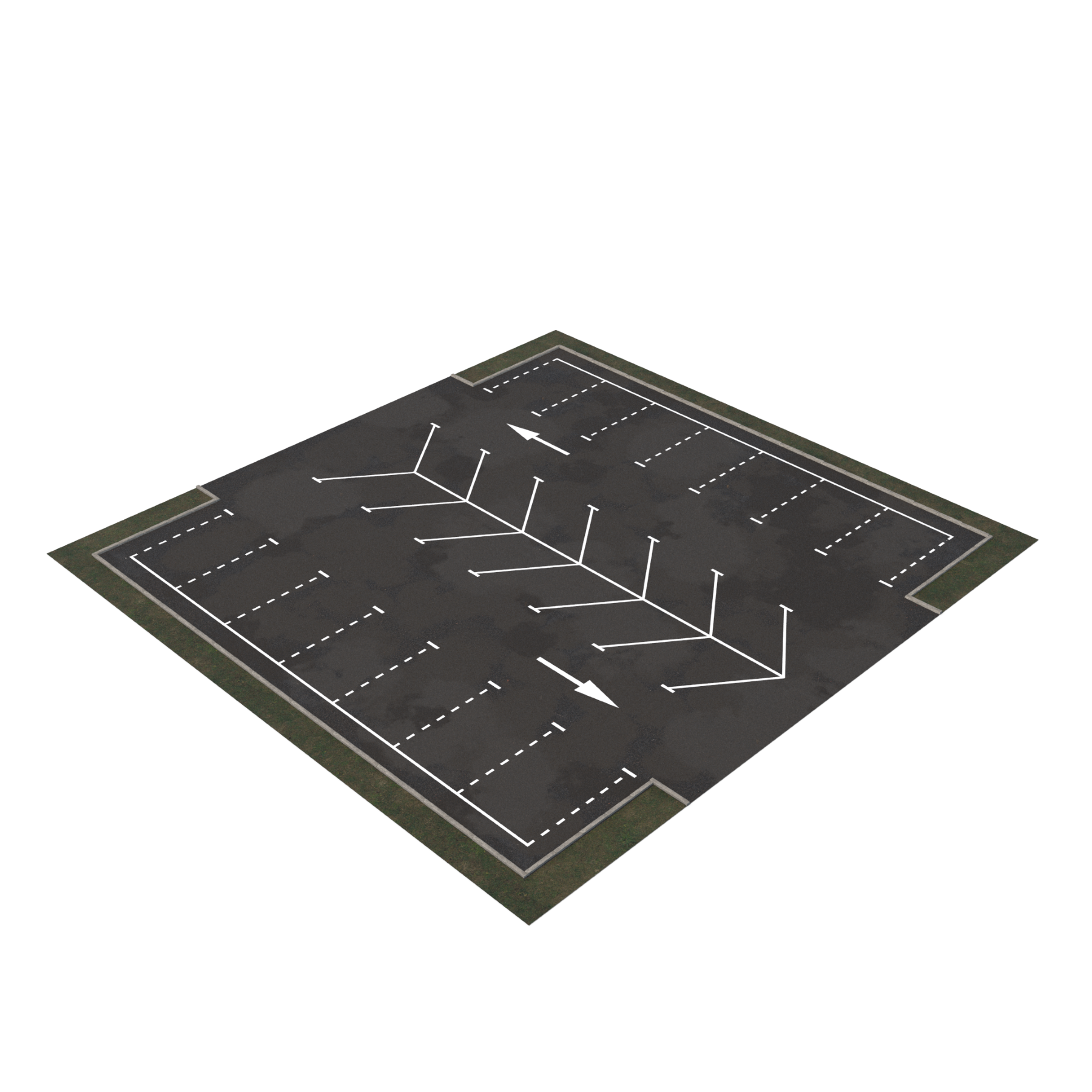
3D parking lot illustration
Questions About Your Property? We’re Here To Help.
Helpful Information Before You Schedule

Know What To Expect Before The Work Begins.

Commercial pavement maintenance involves more than choosing a service. Surface condition, project sequencing, traffic access, curing time and the final layout all affect how a project is planned.

01 Understand The Surface Start with the condition of the pavement.
02 Choose The Right Service Match the treatment to the actual need.
03 Plan The Project Coordinate access, closures and timing.
04 Protect The Result Allow proper curing and reopening time.
Explore By Service

Find The Answers That Apply To Your Project.

Jump directly to questions about the service you’re considering, or review each section to better understand how the different pavement treatments work together.

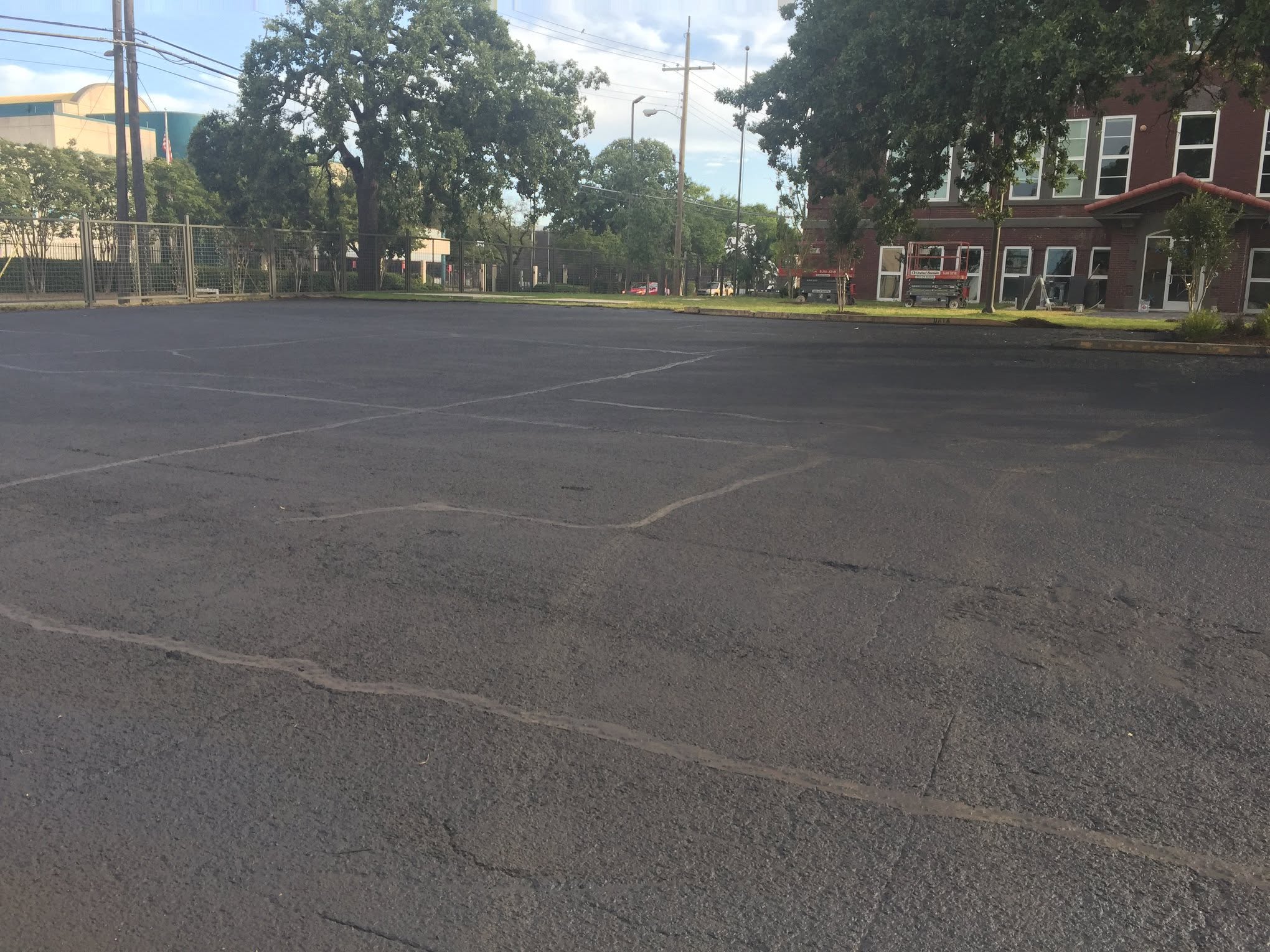
Sealcoating being applied to commercial asphalt
01 Sealcoating
Sealcoating FAQs

Protecting & Restoring Commercial Asphalt.

Sealcoating frequency depends on pavement condition, traffic volume, weather exposure and the previous maintenance history of the surface. A site evaluation is the best way to determine whether another application is appropriate.

Preventative maintenance is generally most useful before the pavement reaches an advanced stage of deterioration. Timing the treatment appropriately can also help keep the surface looking cleaner and more uniform.

  • Evaluate surface oxidation and wear
  • Review vehicle traffic levels
  • Inspect areas exposed to fluids and weather
  • Coordinate with crack sealing and striping when needed

Sealcoating creates a protective surface layer over asphalt and helps restore a darker, more uniform appearance. It is commonly used as part of a preventative maintenance plan.

Sealcoating is not intended to correct structural pavement failures or replace deeper repairs. Existing issues should be evaluated before the surface treatment is applied.

  • Improves surface appearance
  • Helps protect against oxidation
  • Adds protection from weather exposure
  • Works best on pavement that is still maintainable

Sealcoating is a surface treatment and is not designed to fill significant pavement cracks by itself. Appropriate cracks should typically be treated before the sealcoat application.

Addressing cracks separately helps create a more complete maintenance system for the pavement. The exact approach depends on the type and condition of the cracking.

  • Inspect cracking before sealcoating
  • Clean appropriate repair areas
  • Treat cracks before surface application
  • Monitor repaired areas during future maintenance

Reopening time depends on the material used, temperature, humidity, pavement conditions and the size of the project. Vehicles should remain off the treated area until the surface has cured sufficiently.

Commercial projects may be completed in sections when access needs to remain available. The specific reopening plan should be established as part of project scheduling.

  • Keep vehicles off freshly treated areas
  • Follow project-specific curing instructions
  • Account for weather conditions
  • Phase larger lots when practical
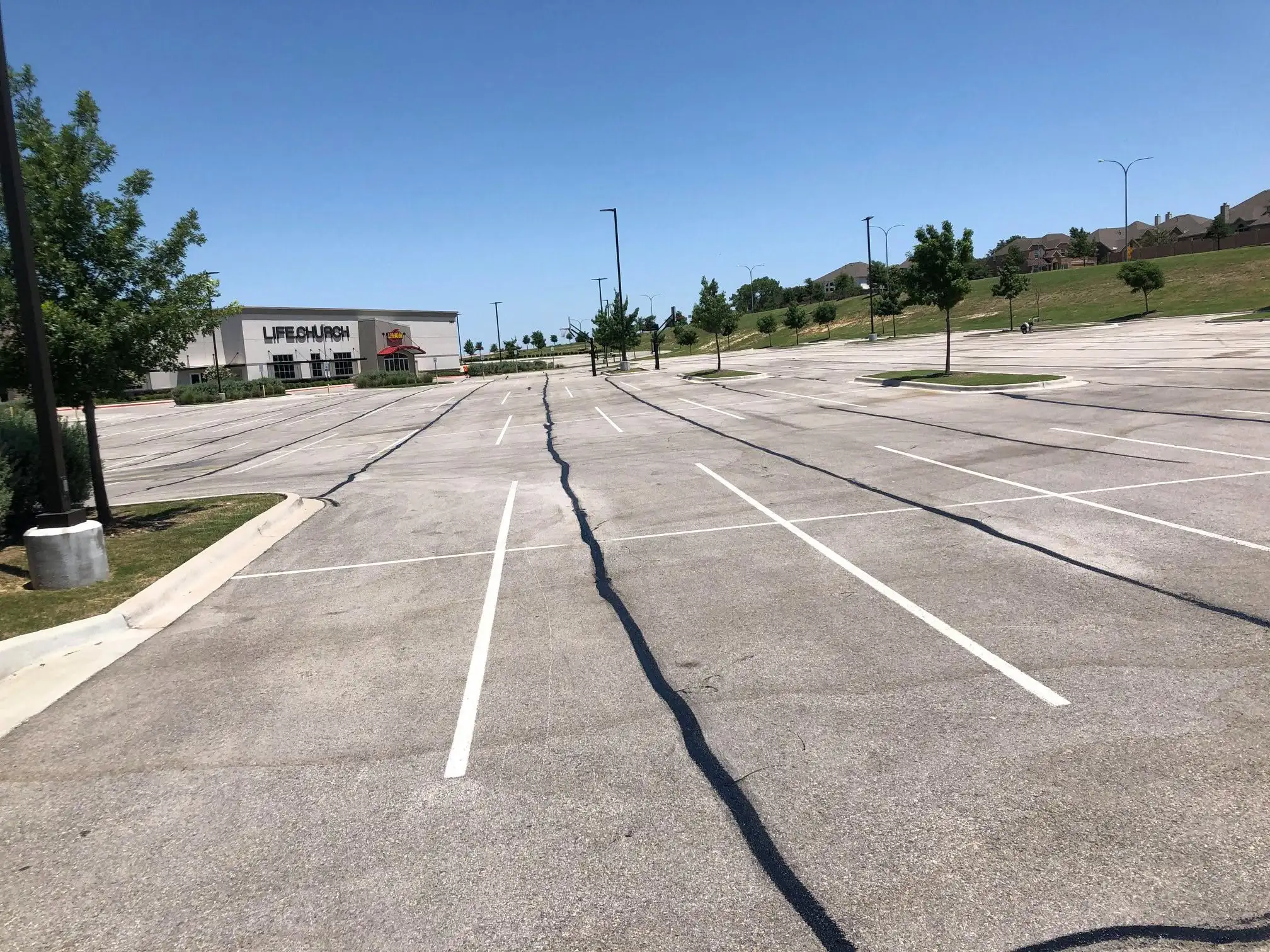
Cracked commercial asphalt
02 Crack Sealing
Crack Sealing FAQs

Address Cracks Before They Spread.

Pavement cracks can provide a pathway for moisture to reach lower pavement layers. Continued exposure and movement can contribute to additional deterioration.

Treating appropriate cracks early is part of a preventative pavement maintenance approach. It can also help prepare the surface for later treatments such as sealcoating.

  • Reduce open paths for moisture
  • Address damage before it expands
  • Prepare pavement for future maintenance
  • Support a broader preventative plan

No, crack condition and type can vary from one area of pavement to another. Some cracks may be appropriate for sealing while other damage may indicate a more significant pavement issue.

A visual assessment helps determine which areas should be included in the crack-sealing scope. That review should happen before the final maintenance plan is established.

  • Review crack width and condition
  • Look for surrounding pavement failure
  • Identify recurring problem areas
  • Match the treatment to the condition

When both services are part of the same project, appropriate crack work is generally completed before the sealcoating application. This allows the cracks to be addressed before the overall surface is treated.

Coordinating both services as part of one project can also simplify closures and scheduling. The final sequence depends on the project scope and pavement condition.

  • Inspect the pavement first
  • Prepare and treat appropriate cracks
  • Complete sealcoating afterward
  • Restripe after surface work when included

Cracking can appear at different stages depending on traffic, movement, weather and pavement construction. The age of the pavement is only one factor to consider.

Early treatment may be appropriate when cracks are visible but the surrounding pavement is still in a maintainable condition. Waiting for more extensive deterioration can increase the scope of future work.

  • Age is only one consideration
  • Traffic can accelerate pavement wear
  • Weather exposure affects pavement condition
  • Early maintenance can help limit deterioration
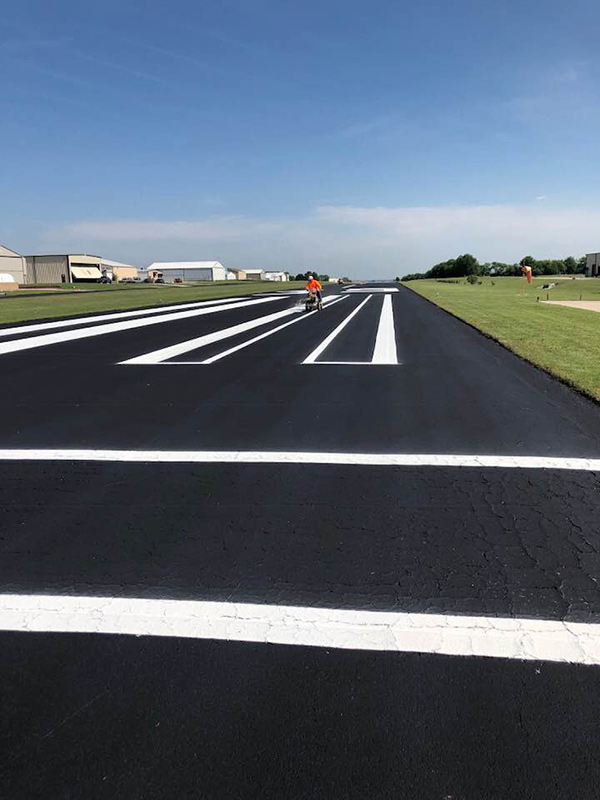
Commercial pavement striping project
03 Parking Lot Striping
Striping FAQs

Clear Layouts. Visible Markings.

Yes, existing layouts can often be refreshed when the current configuration still works for the property. Faded stall lines, arrows and other markings can be repainted for better visibility.

If the layout needs to change, a new configuration may also be possible. Any redesign should account for traffic flow, parking needs and accessibility requirements.

  • Refresh faded parking lines
  • Repaint directional arrows
  • Update traffic markings
  • Review accessibility needs before layout changes

Striping is generally performed after the new surface treatment has had sufficient time to cure. Painting too early can interfere with the finished surface.

The exact timing depends on the materials used and site conditions. Project sequencing should be established before work begins so the property can plan around closures.

  • Complete surface treatment first
  • Allow appropriate curing time
  • Apply markings after the surface is ready
  • Coordinate reopening after striping is complete

Clear pavement markings help drivers understand where to park, travel and turn throughout a property. Directional arrows and defined lanes can make large parking areas easier to navigate.

Striping alone cannot solve every traffic issue, but it can support a better organized parking layout. Existing traffic patterns should be reviewed when new markings are planned.

  • Define parking spaces
  • Guide vehicle movement
  • Clarify entrances and exits
  • Improve overall parking organization

Striping projects can include more than standard parking stall lines. Directional arrows, traffic lanes and other approved pavement markings may also be included.

The appropriate markings depend on the property layout and intended use of the parking area. The project should be reviewed before final layout work begins.

  • Parking stall lines
  • Directional arrows
  • Traffic lanes
  • Other approved pavement graphics
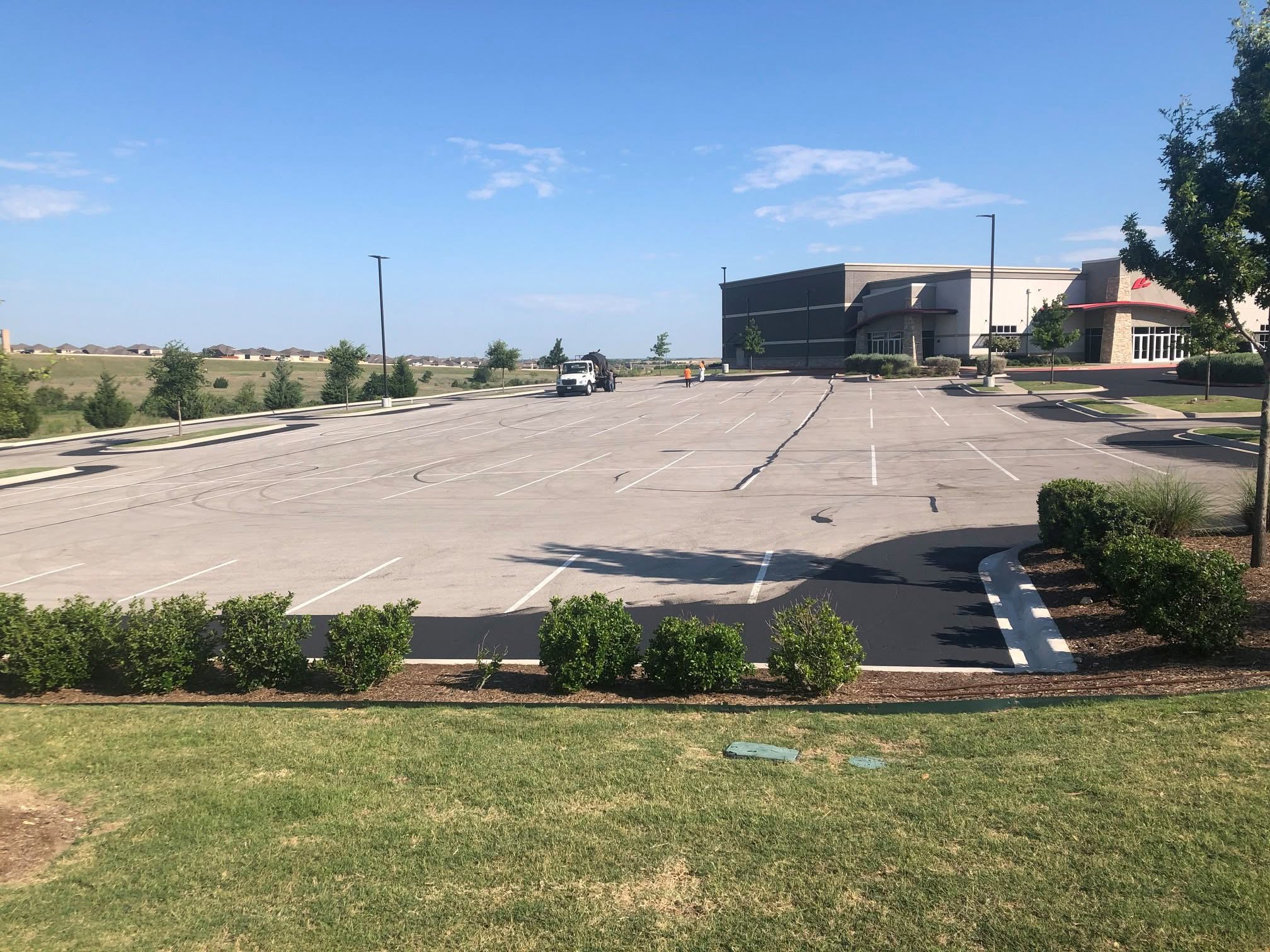
Completed commercial asphalt maintenance project
04 Asphalt Maintenance
Maintenance FAQs

Long-Term Pavement Care & Planning.

A commercial pavement maintenance plan should start with the actual condition of the surface and the way the property is used. Different areas may need different types of work.

Sealcoating, crack sealing and striping can often be coordinated as part of the same broader strategy. Regular visual review can also help identify developing issues.

  • Review surface condition
  • Identify cracks and worn areas
  • Plan future surface treatment
  • Track striping visibility and layout needs

Preventative maintenance is intended to address manageable pavement issues before they become more extensive. Once pavement reaches a more advanced stage of failure, surface treatments alone may no longer be appropriate.

Regular maintenance planning gives property owners more opportunities to address smaller issues earlier. The best strategy depends on the existing condition of the pavement.

  • Monitor visible wear
  • Address cracks before they expand
  • Maintain surface protection
  • Review pavement regularly

Yes, larger commercial parking areas can often be divided into sections when property operations require continued access. Phasing can help keep portions of the site open while other areas are being treated.

The project sequence should be planned before work begins. Entrances, exits, customer access and curing requirements all need to be considered.

  • Divide the property into work zones
  • Maintain practical access routes
  • Coordinate tenant communication
  • Reopen completed areas as conditions allow

Faded surfaces, visible cracking, worn striping and recurring problem areas are all signs that a pavement review may be worthwhile. Changes in the appearance or usability of the parking area can also indicate maintenance needs.

Not every sign of wear requires the same treatment. Evaluating the condition first helps determine which service is appropriate and whether multiple services should be combined.

  • Surface fading or oxidation
  • Visible cracking
  • Worn or unclear markings
  • Recurring traffic or drainage problem areas
Still Have Questions?

Let’s Talk About Your Pavement.

Tell us about your property and the pavement services you’re considering. Midway Sealcoating serves commercial properties throughout Arlington and the greater Dallas–Fort Worth area.

Commercial Pavement Services Sealcoating • Crack Sealing • Striping
Prefer To Call? (817) 467-7003

Are you a New or Existing Customer?